Essential cookies keep this site working. We also receive cookieless usage signals. If you accept analytics cookies, we can better understand which pages visitors find useful. Learn more
For history lovers · museums and lunch
The Historical Presidential Palace and the Galaunė House: different perspectives on the history of Kaunas, visiting tips and a vegetarian lunch at Radharanė.
Kaunas Juda · · around 4 min read
Sometimes a city is more interesting to explore through its people than through a long list of sights. What mattered to them, what did they collect, and what part of their lives did they want to leave to others? For this outing, we suggest choosing a clear focus: the history of the state or the homes of cultural figures. There is no need to fit everything into one afternoon. Instead, choose what you would like to learn more about, and leave time over lunch to discuss what surprised you.
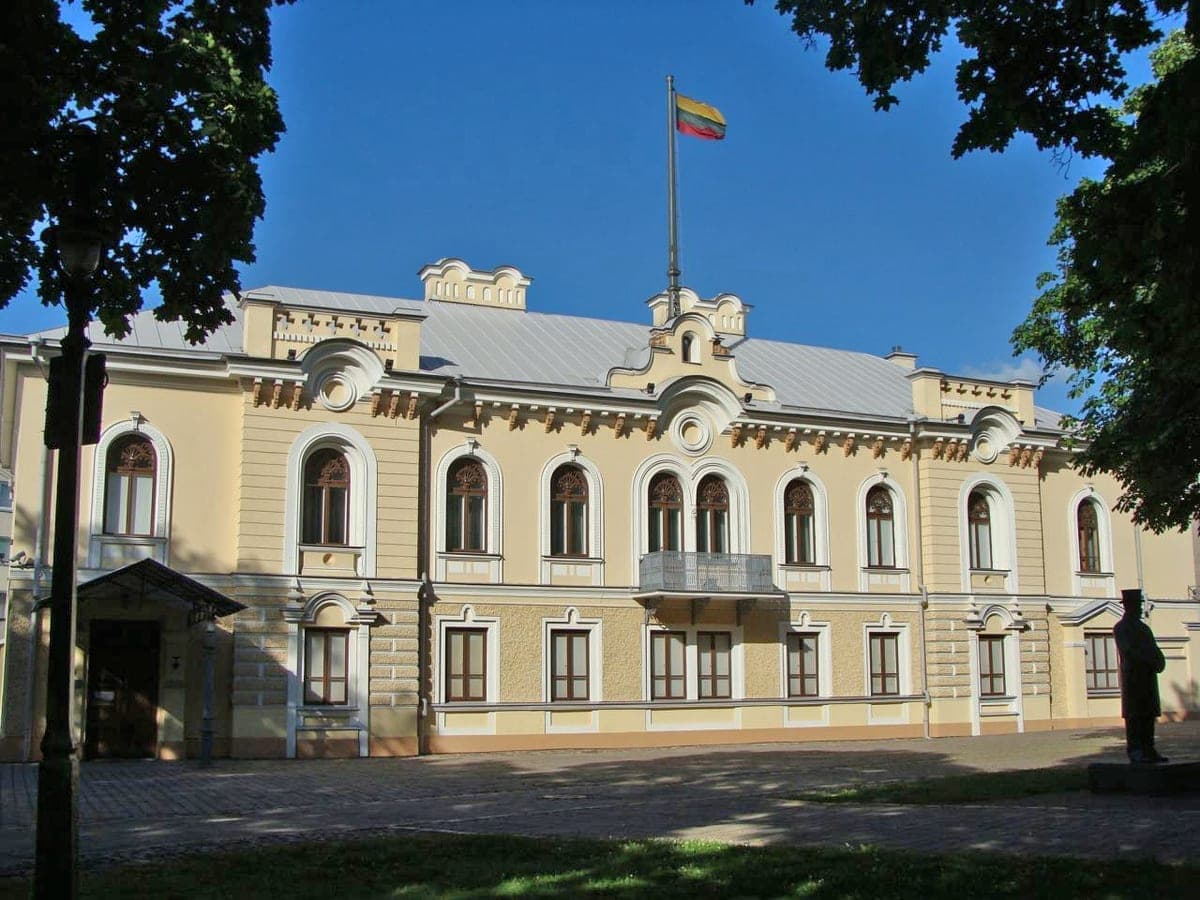
At Vilniaus g. 33 in Kaunas is the Historical Presidential Palace.1
During the interwar period, the building was the President’s residence. In the Soviet era it housed the Pioneers’ Palace and later the Teachers’ House.1
Before going inside, try to see the building through the eyes of its different occupants. This is a way of reading history as a process of change: the walls remain, but people’s relationship with them shifts. Here is a question for you and your companion: what would you preserve if you had to tell the story of a house like this?
The idea of establishing a museum here emerged around 1990.
Valdas Adamkus handed the historic Presidential Palace over to the National Čiurlionis Art Museum in 2005 on 3 July.1
The Historical Presidential Palace opened to the public on 5 July.1
Here you can explore relics of the Republic of Lithuania, historical material and works of art relating to the development of Lithuanian statehood.1
The museum’s holdings include donated objects, printed materials and photographs of Ambassador Stasys Lozoraitis.1
We suggest this option if you want to explore questions about the state and how we tell its history. There is no need to remember every name. It is far more rewarding to leave with a question that makes you want to open a book after your outing.
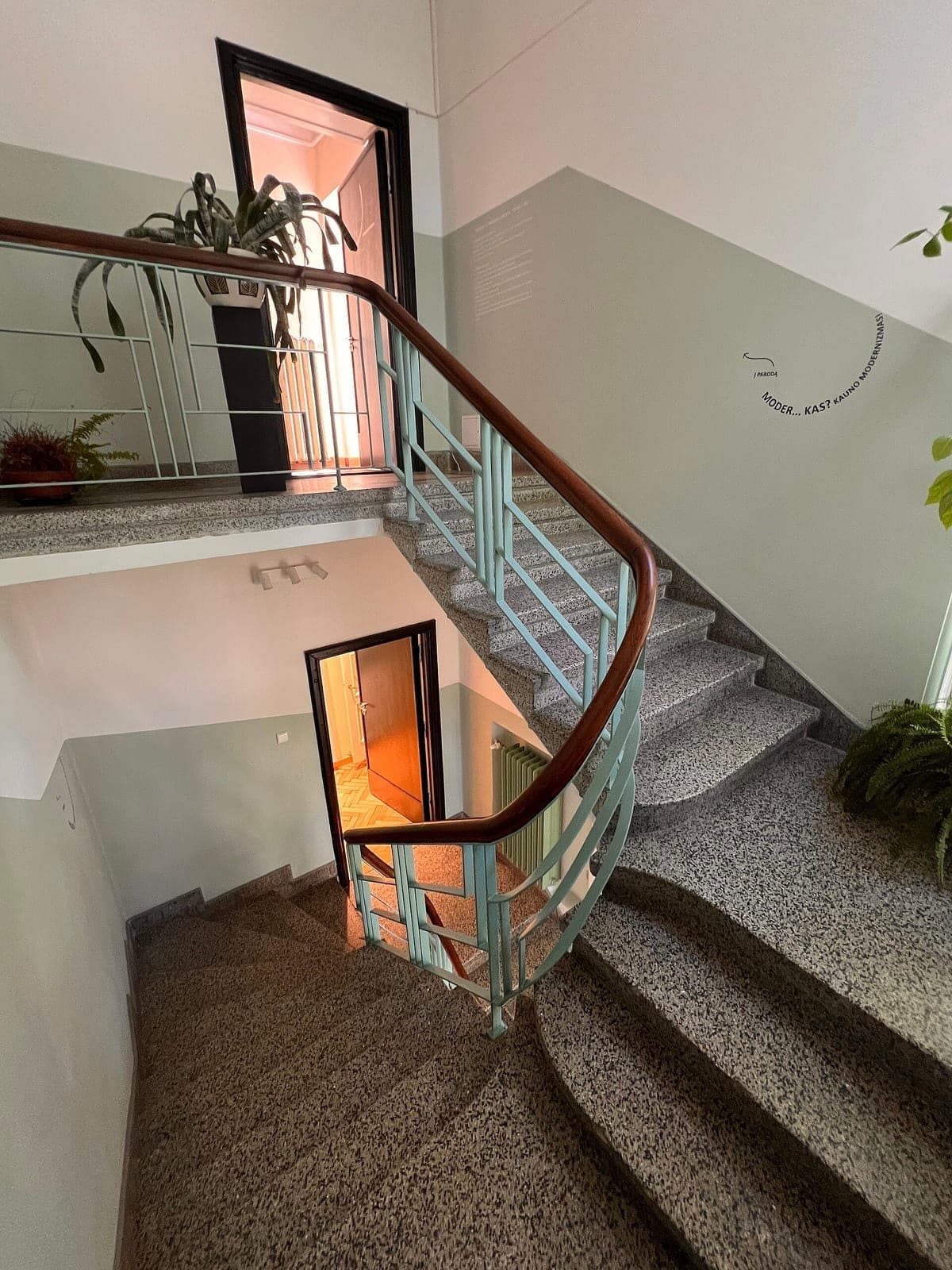
The Adelė and Paulius Galaunė House is at Vydūno al. 2, Kaunas.1
The house belonged to the family of opera singer Adelė Nezabitauskaitė-Galaunienė and art historian and educator Paulius Galaunė.1
Paulius Galaunė was a pioneer of professional museum practice in Lithuania.1
The house was built in 1932 using the family’s funds, to a design by architect Arnas Funkas.1
The Adelė and Paulius Galaunė memorial exhibition includes collections of prints and bookplates.1
You can also explore the bibliophile books and folk art collected by Paulius Galaunė.1
The memorial exhibition was created through the efforts of museum professional Kazimiera Galaunienė, Paulius Galaunė’s second wife.1
The museum opened to visitors in 1996 on 14 December.1
Here, we suggest a different way of looking: choose a collection that interests you and try to understand the collector’s taste. What would you want to preserve, and what would you happily leave to someone else? That conversation can be far more interesting than trying to memorise a biography, especially if you are travelling together and have different interests.
Adults can choose the 90-minute workshop “An Introduction to Linocut”.1
Adults can also choose the 45-minute workshop “The Bookplate: The Smallest Work of Art”.1
For information on booking educational programmes and guided tours: +370 672 807 67.1
If you would like to make something yourself, arrange your chosen activity before the outing. This will also help you decide on the pace of the day: whether to explore a subject in greater depth or stick to looking around on your own. What matters most is that your plan reflects what you are genuinely curious about.
The restaurant is at Laisvės al. 40, Kaunas.1
Weekday lunch specials are posted on social media every working day.1
We suggest this stop if you would like a vegetarian lunch. The conversation over your meal can continue the theme of the outing: who caught your interest, which object would you like to examine more closely, and where did your opinions differ? Sometimes a conversation like this helps you realise what you actually remember once the list of sights has been put aside.
The aim of this outing is to come away with your own idea about the city. It might be a question about its past or a wish to learn more about art collections. If the conversation is still going after lunch, the plan has worked: you have a reason to return, and next time you will already know what interests you.
Vilniaus g. 33
The development of Lithuanian statehood and relics of the Republic of Lithuania.
Vydūno al. 2
A memorial exhibition and collections of prints, bookplates and bibliophile books.
Laisvės al. 40
A vegetarian restaurant on Laisvės alėja.


